
Home / Exhibition
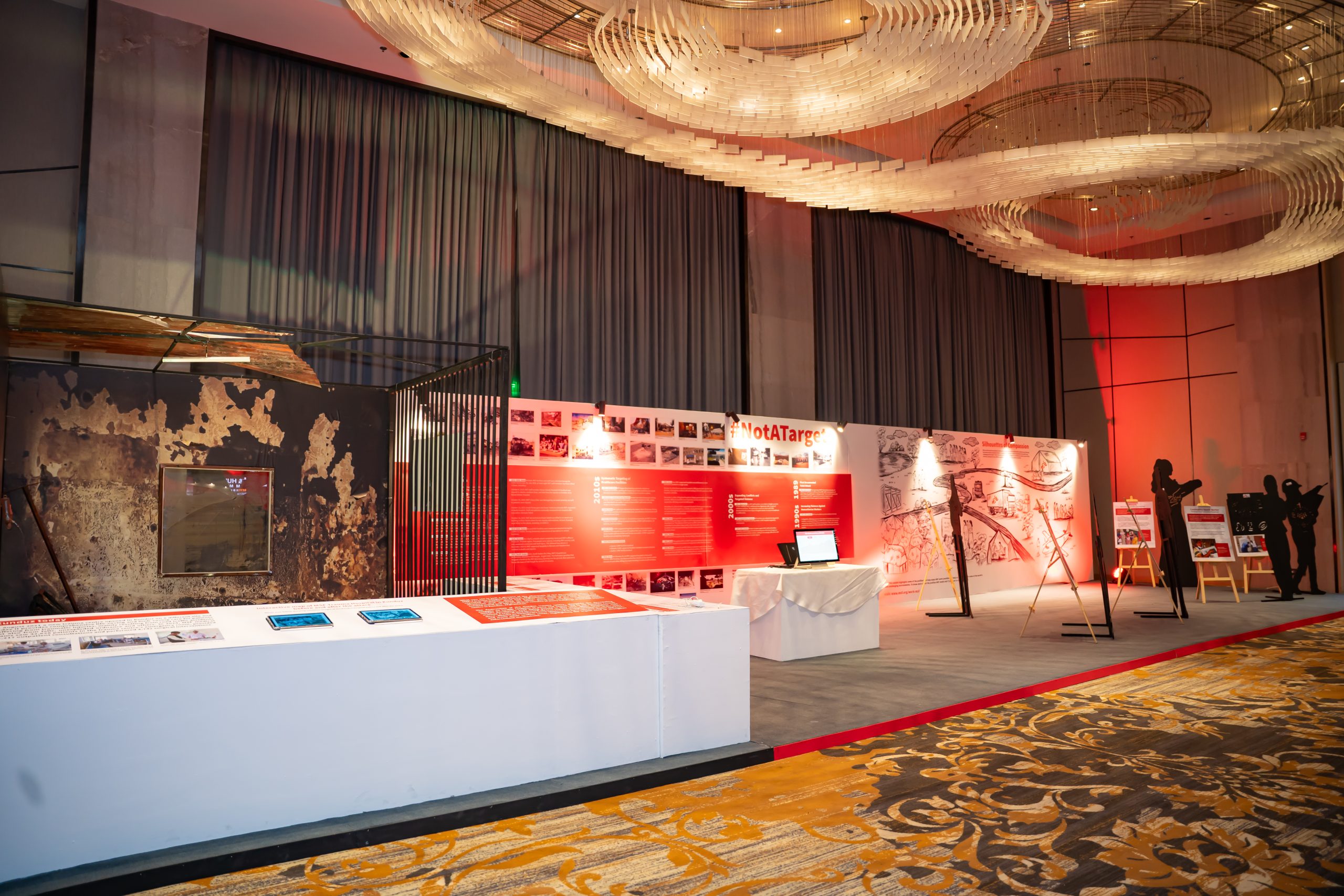
The Health & Humanity Summit 2025 Exhibition serves as both the emotional anchor and intellectual framework for the summit’s discourse. Through three interconnected exhibition spaces, visitors will engage with the complex realities of humanitarian healthcare in crisis contexts, confront the growing threat of attacks on medical facilities, and explore pathways toward resilience and renewed solidarity.
The exhibition transforms abstract policy discussions into tangible human experiences, making visible the often invisible pillars of humanitarian healthcare while advocating for their protection.
Beyond its aesthetic and informational value, the exhibition serves several strategic purposes:
Alliance Française de Delhi serves as a cultural hub where individuals with an interest in French language and culture can converge, learn, and exchange ideas. By promoting cross-cultural understanding, AFD plays a crucial role in nurturing ties between India and France through its language programs and diverse cultural activities.
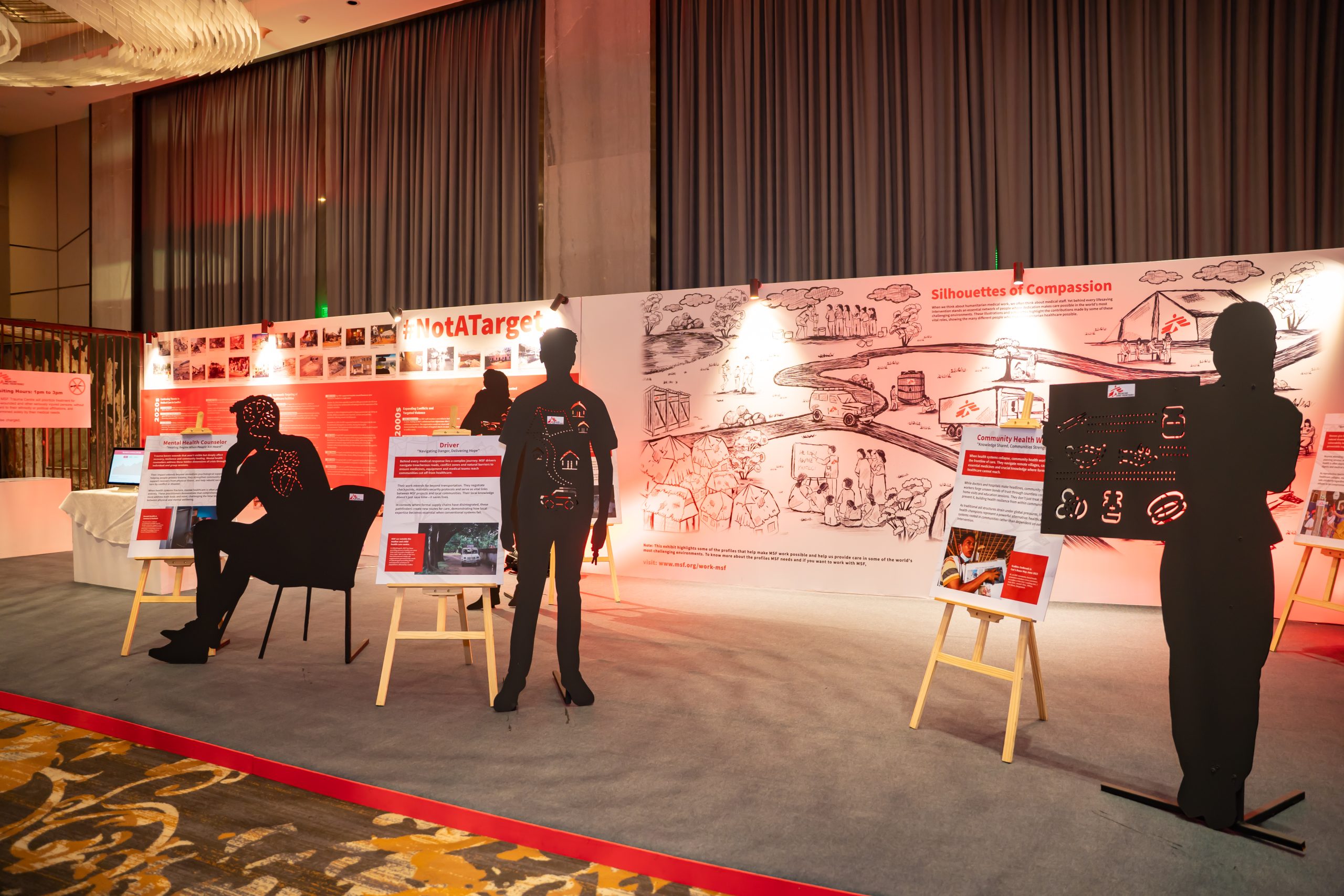
This powerful installation features silhouette sculptures representing the diverse roles that sustain humanitarian healthcare beyond the traditional medical roles. Each silhouette is designed with precise cutouts that cast meaningful shadows, revealing hidden dimensions of their work.
Key Roles Featured:
Each silhouette represents expertise that becomes essential when conventional systems collapse. The shadows cast symbolize the broader impact of these roles beyond their immediate functions, highlighting how resilience emerges from within communities rather than external intervention.
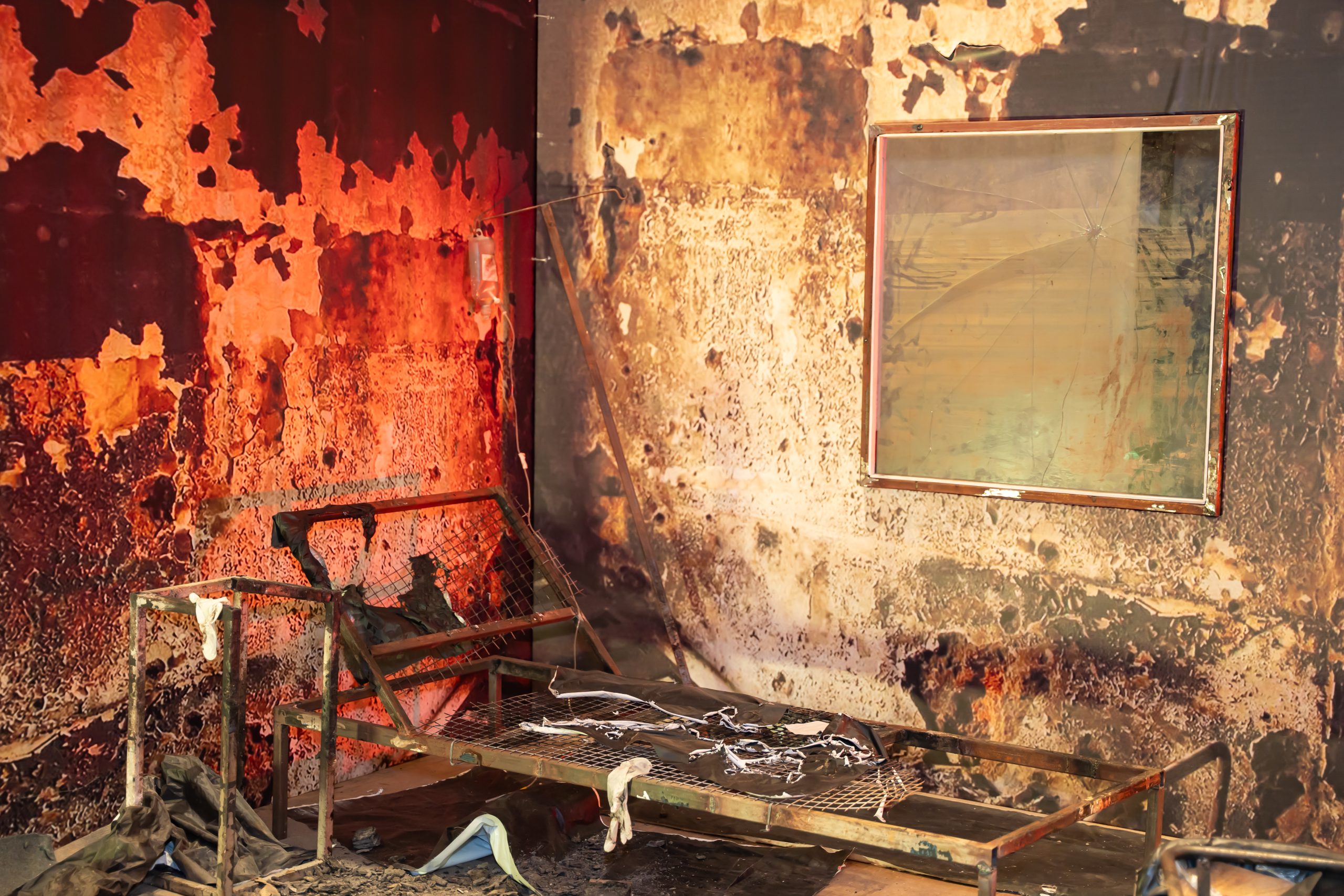
A partial recreation of the destroyed Kunduz trauma center serves not as an endpoint but as the beginning of a larger conversation about the protection of healthcare in conflict zones. Through physical space, interactive elements, and contextual information, visitors confront the reality of what happens when the protected status of medical facilities is violated.
Moving beyond Kunduz, this section presents a timeline of major attacks on MSF healthcare workers and facilities worldwide. The #NotATarget section serves as both a memorial and a call to action, with the timeline explicitly connecting to the upcoming 10-year anniversary of UN Security Council Resolution 2286 in May 2026.
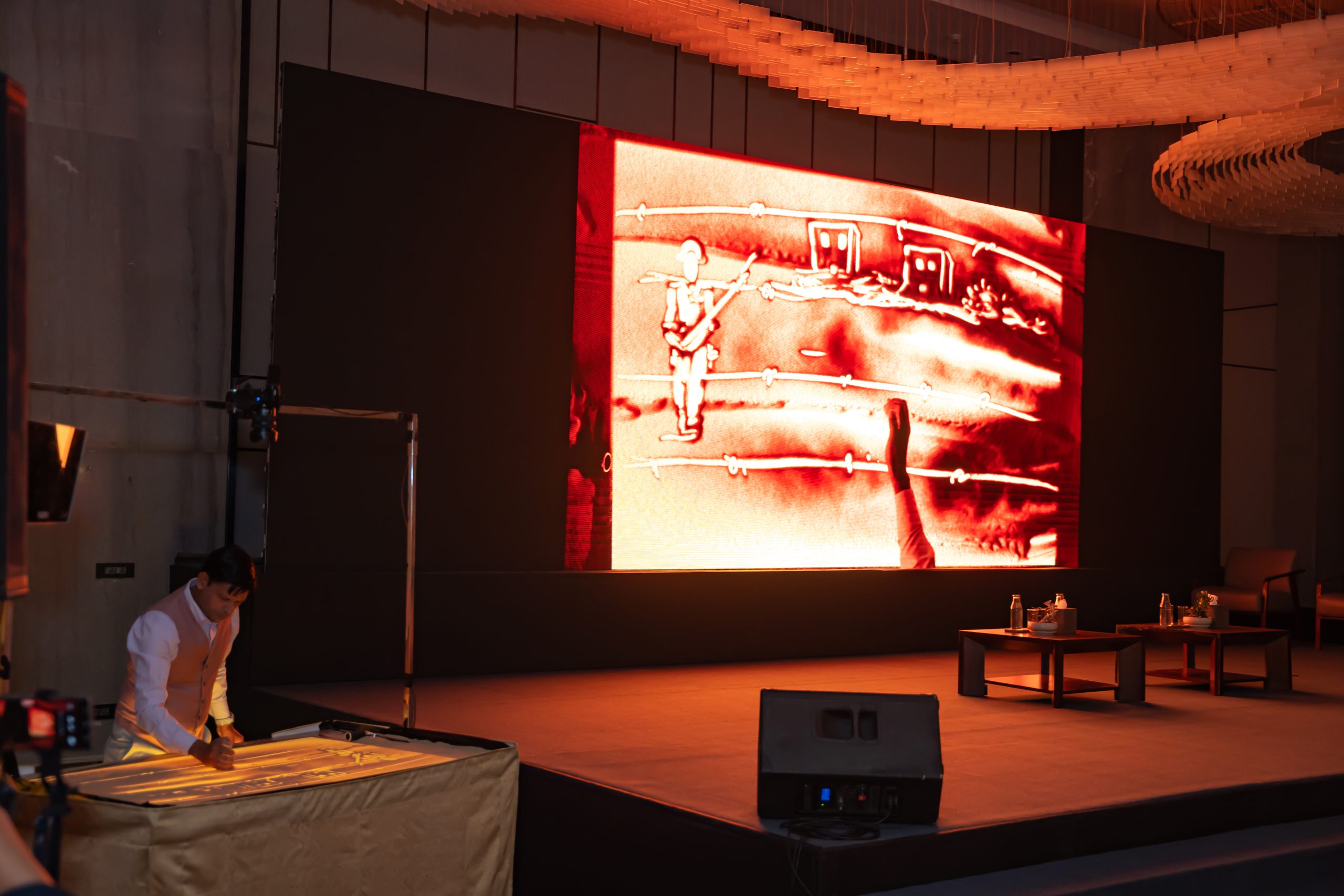
This dynamic installation by renowned sand artist Manas Sahoo translates the summit’s abstract themes into visceral visual narratives through a medium that is inherently transformative and ephemeral.
The performance’s transformative nature mirrors the summit’s focus on systems in transition, with the sequential narrative moving from crisis to collective action.
The exhibition is designed as a journey that moves visitors through emotional and intellectual stages:
Acknowledging the diverse roles that sustain humanitarian healthcare.
Facing the reality of attacks on healthcare as a systemic global challenge
Visualizing pathways from crisis to solidarity
The Health & Humanity Summit 2025 Exhibition invites you to witness, reflect, and engage with the critical challenges and opportunities facing humanitarian healthcare today.
The humanitarian financing model is at an inflection point. Shifting aid budgets, debt pressures, and
geopolitical competition are prompting a long-overdue conversation about how the system is funded and
governed. Encouragingly, many Global South countries now finance more of their own healthcare than ever
before — a sign of growing capacity and ownership. The task ahead is to ensure decision-making power
evolves in step, so that priorities are shaped by equitable need and shared responsibility rather than political
visibility alone. The panel explores the growing role that wealthier Global South economies — Gulf states,
India, China, Singapore — can play in humanitarian governance, and what would make fuller participation
attractive and meaningful. The opportunity at stake is significant: a broader, more representative table for
setting priorities, and a future architecture of sovereignty, financing, and governance built by and for a wider
community of actors.
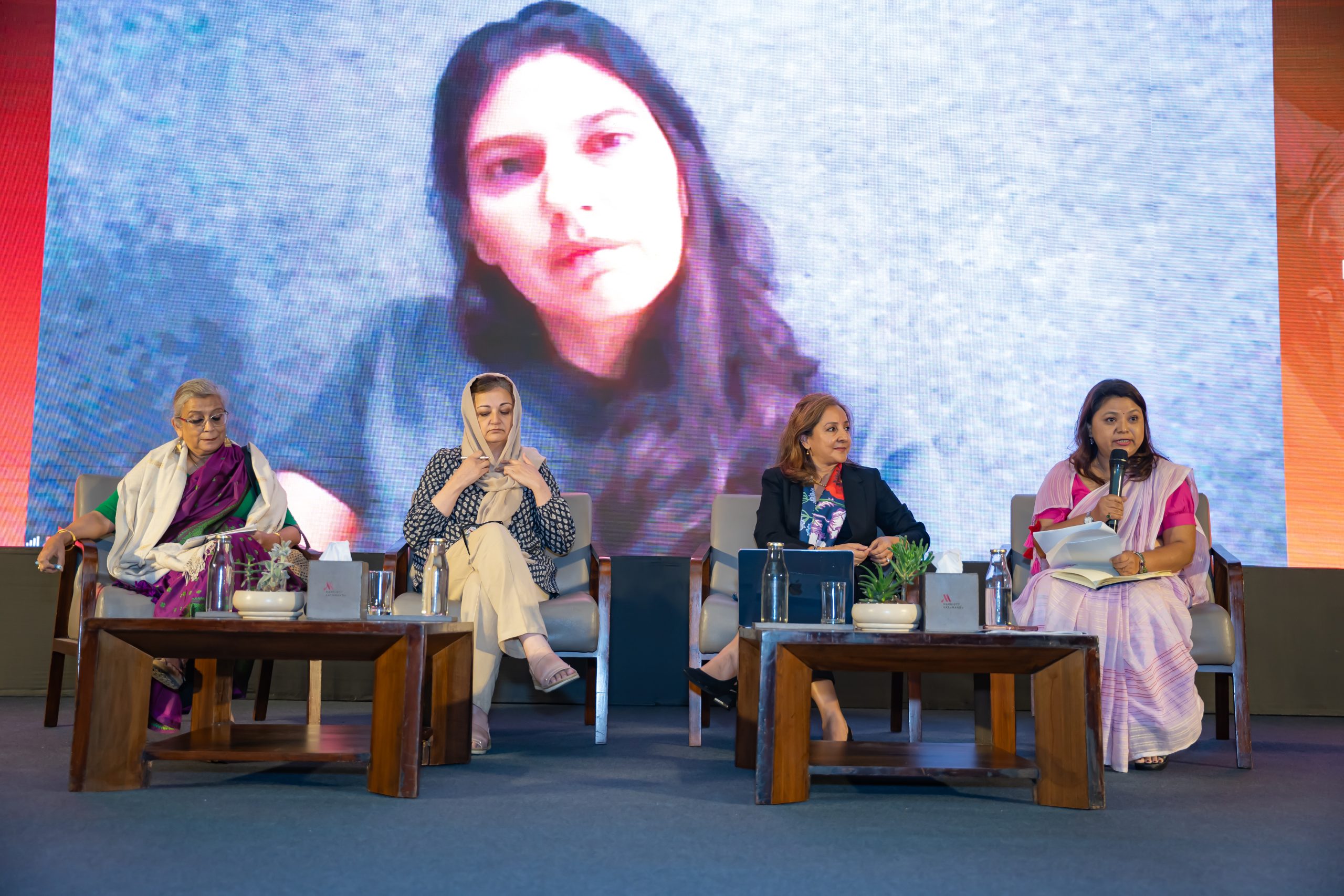
Health and humanitarian systems are powered by women’s labor — as doctors, nurses, community health
workers, and caregivers. This is one of the sector’s greatest strengths, and its fullest potential is yet to be
realized: women remain underrepresented in leadership and decision-making, and their work is too often
framed as service or sacrifice rather than the skilled, political labor it is. India’s ASHA workers, for instance,
proved indispensable during COVID-19 — a powerful demonstration of what community health leadership can
achieve, and a compelling case for the recognition and investment that should follow. Expanding access to
education and public participation, including in contexts such as Afghanistan, is central to strengthening the
long-term resilience of the systems women sustain. The panel examines the political economy of care work
and asks how humanitarian and health systems can harness this expertise fully: who defines priorities, whose
knowledge counts, and what more equitable models of leadership and labor look like in practice.
COVID-19 made clear that access to medicines, diagnostics, and vaccines is a political choice as much as a
scientific one — and, equally, that political choices can widen access dramatically when solidarity leads. This
recognition has moved health sovereignty to the center of global health debates, understood not as isolation
or self-sufficiency but as the capacity to cooperate, share knowledge, and build regional manufacturing while
staying connected to global research and solidarity. Traditional South–South solidarity, rooted in shared
history, is being renewed and reimagined for a new era of economic dynamism and evolving alliances. This
panel will examine intellectual property, technology transfer, and regional manufacturing, and chart the forms
of international cooperation best placed to support resilient, equitable health systems that are both selfreliant
and outward-looking.